Introduction
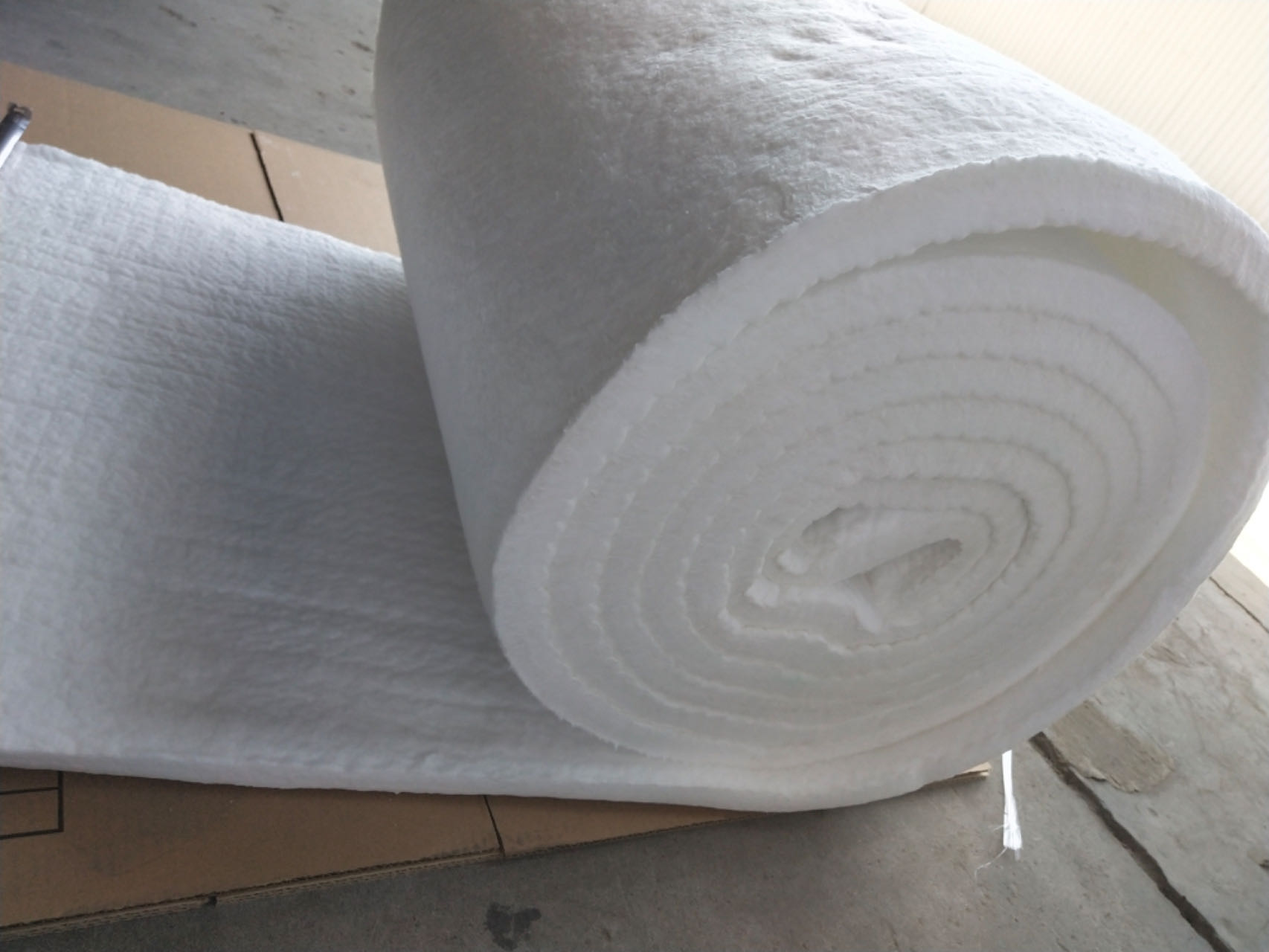
A 1200°C ceramic fiber blanket is a high-performance thermal insulation material widely used in industrial furnaces, kilns, boilers, and high-temperature equipment. Known for its excellent heat resistance, low thermal conductivity, and lightweight structure, ceramic fiber blanket plays a critical role in improving energy efficiency and reducing operational costs in industrial thermal systems.
In this article, we explore the properties, advantages, applications, and installation considerations of 1200°C ceramic fiber blanket, helping engineers and procurement professionals choose the right insulation solution for high-temperature environments.
What Is a 1200°C Ceramic Fiber Blanket?
A 1200°C ceramic fiber blanket is manufactured from high-purity alumino-silicate fibers produced by melting selected raw materials at extremely high temperatures, followed by fiberization. The fibers are then mechanically needled into a flexible blanket form without the use of binders, ensuring excellent thermal stability.
Typical classification temperature: 1200°C
Maximum recommended continuous use temperature: 1050–1100°C (depending on application conditions)
Key Features and Advantages
1. Excellent Thermal Insulation Performance
Ceramic fiber blanket has very low thermal conductivity, significantly reducing heat loss and improving furnace efficiency. This allows faster heating and cooling cycles compared to traditional refractory materials.
2. Lightweight and Flexible
With a density much lower than refractory bricks or castables, ceramic fiber blanket reduces furnace structure weight and minimizes thermal stress. Its flexibility allows easy installation on curved or irregular surfaces.
3. High Temperature Resistance
The 1200°C ceramic fiber blanket maintains structural integrity and insulation performance under high temperatures, making it suitable for most medium-to-high temperature industrial applications.
4. Energy Saving and Cost Reduction
By reducing heat loss and fuel consumption, ceramic fiber blanket contributes to:
Lower energy costs
Shorter furnace start-up times
Increased productivity
5. Excellent Chemical Stability
Ceramic fiber blanket shows good resistance to most chemicals, except strong alkalis and hydrofluoric acid, ensuring long service life in demanding industrial environments.
Typical Specifications of 1200°C Ceramic Fiber Blanket
Classification Temperature: 1200°C
Density: 64 / 96 / 128 kg/m³
Thickness: 6 – 50 mm
Width: 610 mm or customized
Color: White
Thermal Conductivity (1000°C): approx. 0.20 W/m·K
Chemical Composition: Al₂O₃–SiO₂
Applications of 1200°C Ceramic Fiber Blanket
1. Industrial Furnaces and Kilns
Used as:
Backup insulation
Furnace wall and roof lining
Expansion joint insulation
Common industries include steel, non-ferrous metals, ceramics, and glass.
2. Petrochemical and Power Industry
Applied in:
Cracking furnaces
Reformers
Boilers and heaters
Heat exchangers
Ceramic fiber blanket helps improve thermal efficiency and reduce heat loss in continuous high-temperature operations.
3. Heat Treatment Furnaces
Ideal for:
Batch furnaces
Continuous heat treatment lines
Annealing and tempering furnaces
Its low thermal mass allows rapid temperature changes and precise thermal control.
4. Fire Protection and Thermal Barriers
Used as fire-resistant insulation in:
Fire doors
Fire protection systems
High-temperature sealing and gasketing
Installation Methods
Common installation methods for ceramic fiber blanket include:
Layered stacking with ceramic fiber anchors
Mechanical fixing using metal anchoring systems
Combination with ceramic fiber modules or boards
Bonding with high temperature adhesive in specific applications
Proper installation is essential to ensure optimal insulation performance and service life.
Ceramic Fiber Blanket vs Traditional Refractory Materials
Compared with refractory bricks or castables, ceramic fiber blanket offers:
Up to 70% weight reduction
Faster heating and cooling
Lower energy consumption
Easier maintenance and repair
These advantages make ceramic fiber blanket a preferred insulation solution in modern industrial furnace design.
Why Choose ZTC Thermal Ceramics?
ZTC Thermal Ceramics Co., Ltd. manufactures high-quality 1200°C ceramic fiber blankets under strict quality control systems. Our products are available in multiple densities and thicknesses and are compatible with ceramic fiber modules, boards, anchors, and high-temperature adhesives.
With over 20 years of experience, we provide complete thermal insulation solutions, including material selection, furnace lining design, and technical support for global industrial customers.
Conclusion
The 1200°C ceramic fiber blanket is an essential insulation material for modern industrial applications requiring high temperature resistance, energy efficiency, and long service life. Its superior thermal performance, lightweight structure, and installation flexibility make it a reliable choice for furnaces, kilns, boilers, and heat treatment equipment.
For optimized insulation performance and long-term operational savings, selecting a high-quality ceramic fiber blanket from a trusted manufacturer is crucial.
1200°C Ceramic Fiber Blanket: High-Performance Thermal Insulation for Industrial Applications